Automatically update your drivers and software
Use this tool to identify your products and get driver and software updates for your Intel hardware.

Intel® Processors for All That You Do
Intel sets the industry standard for processor innovation and performance, powering laptops, desktops, workstations and servers—for business and personal use, immersive gaming, content creation, IoT, Artificial Intelligence, and more.

Intel® Xeon® Scalable Processors
3rd Generation Intel® Xeon® Scalable processors offer a balanced architecture that delivers built-in AI acceleration and advanced security capabilities. This allows you to place your workloads where they perform best - from edge to cloud.
Intel® Xeon® Processors
Optimized performance, scale, and efficiency across a broad range of data center, edge, and workstation workloads. Elevate business productivity with the consistent, open, Intel® architecture you know and trust.

Intel® Core™ Processor Family
Do it all and be it all with more performance and efficiency. Welcome to a new level of creating, gaming, and connecting.
Intel® Processor
Intel’s entry level CPUs provide the performance that you need with the affordability you want to connect, learn, and play anywhere. Users can confidently enjoy better multitasking, collaboration, and streaming while helping experiencing secure and fast connectivity on a Notebook, Chromebook, Convertible, or Desktop PC.

Intel Atom® Processor Family
Deliver advanced technology and processing capabilities where you need it most with cost effective, durable, and flexible Intel Atom® processors for network infrastructure, network security, and storage appliances.
Processors for IoT and Embedded Applications
Deploy edge applications quickly with Intel's portfolio of edge-ready compute and connectivity technologies. Enhanced for IoT, they enable processing at the edge to get critical insights and business value from your data with compute resources where you need them most.
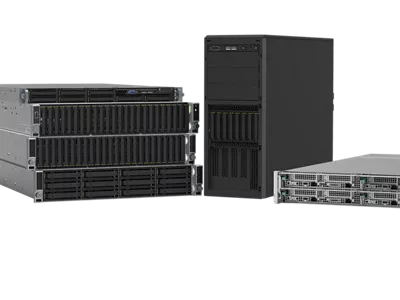
Intel® Server Products
Driving Data Center Transformation through innovation, trust, reliability, and proven performance. There are reasons Intel is a global leader and preferred provider of server technology and products. Intel understands the needs of the modern data center and harnesses its years of experience and design expertise to deliver a broad portfolio of innovative server products, systems, and solutions to help businesses grow and be competitive in the market.
Intel ASICs Products
High quality ASICs products to fit your needs.
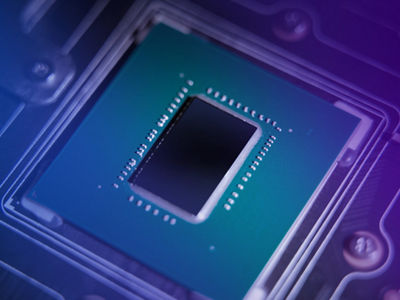
Intel® Graphics Solutions
Intel’s GPU technologies deliver true-to-life graphics with superior performance, speed, efficiency, and scalability.
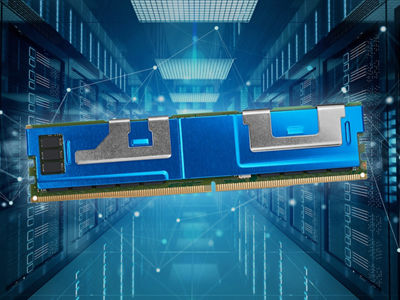
Memory and Storage
Intel provides technically advanced products that support every level of computing—from data center workloads to enthusiast usage. Intel® Optane™ memory creates an accelerated bridge between memory and storage. Intel® Solid State Drives (Intel® SSDs) provide storage flexibility, stability, and efficiency.
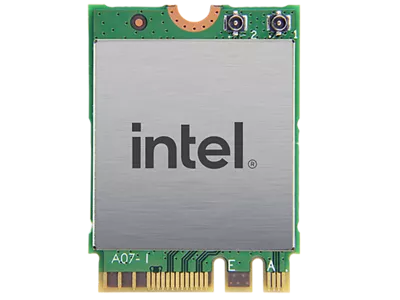
Intel® Wireless Products
Get fast, integrated wireless solutions which deliver great user experiences and meet our growing demands for higher bandwidth, improved responsiveness, and enhanced reliability.
Edge-to-Cloud Network Connectivity
Intel delivers a full portfolio of high performance, flexible networking products that meet the demands of cloud, telecom, enterprise, storage and more. Explore our products here.

FPGAs & Programmable Devices
Get the flexibility you need and accelerate your innovation with a broad portfolio of programmable logic products including FPGAs, CPLDs, Structured ASICs, acceleration platforms, software, and IP.
Windows® 10 and Windows 11* Wi-Fi Drivers
Version 22.200.2.1 installs the Windows®10 64-bit and Windows 11* Wi-Fi drivers for the following Intel® Wireless Adapters: AX411, AX211, AX210, AX203, AX201, AX200, AX101, 9560, 9462, 9461, 9260
System Manufacturers Support
Find drivers, software, and support information from these original equipment manufacturers.

Intel® Core™ Ultra Processors Family
Featuring new AI experiences, immersive graphics, and an optimal balance of battery life and performance.
The AI PC powered by Intel is here.
With AI-acceleration built into every Intel® Core™ Ultra processor, you now have access to a variety of experiences – enhanced collaboration, productivity, and creativity – right at your desktop.
Intel® Arc™ Graphics
Discover the Intel® Arc™ Graphics experience that elevates gaming, supports content creation, and boosts edge workloads.
- Intel® Arc™ GPU for Desktop
- Intel® Arc™ GPU for Laptops
- Intel® Arc™ Professional GPUs for Workstations
- Intel® Arc™ GPU for the Edge

No results found for "${query}"
No results found for "${query}"
Search tips:
- Remove any search filters to broaden results
- Sign in or register to include any results that may be restricted
- Make sure all words are spelled correctly
- Use different or more general keywords
Date Range
No results found for "${query}"
No results found for "${query}"
Search tips:
- Remove any search filters to broaden results
- Sign in or register to include any results that may be restricted
- Make sure all words are spelled correctly
- Use different or more general keywords
This website contains Intel's confidential information, which may only be used and disclosed in accordance with the applicable non-disclosure agreement between you or your company and Intel.
Product and Performance Information
Retail prices reported as of